
Understanding gambling addiction Signs, dangers, and recovery steps
What is Gambling Addiction?
Gambling addiction, also known as compulsive gambling or ludomania, is a behavioral disorder characterized by an uncontrollable urge to gamble despite the negative consequences. This condition affects individuals emotionally, socially, and financially, often leading to severe issues in their personal and professional lives. Understanding the psychology of gambling is crucial for both individuals suffering from it and their loved ones, as many people are drawn to thrilling experiences, such as in non gamstop casinos uk.

The thrill of gambling can trigger a dopamine release in the brain, creating feelings of excitement and pleasure. Over time, this can develop into a compulsive behavior, where the individual feels a constant need to gamble to experience the same euphoric feelings. This cycle can lead to increasingly risky gambling activities, where individuals bet more than they can afford to lose.
Recognizing the Signs of Gambling Addiction
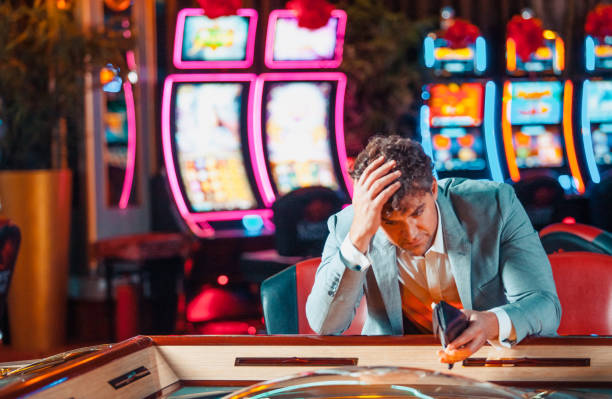
Recognizing the signs of gambling addiction is essential for timely intervention. Common indicators include an obsession with gambling, increasing amounts of time spent gambling, and neglecting responsibilities or relationships. Individuals may also experience feelings of guilt or anxiety about their gambling habits, yet find it difficult to stop.
Another significant sign is the tendency to chase losses. This behavior occurs when an individual continues to gamble in hopes of recovering lost money, which often leads to deeper financial woes and emotional distress. It’s important to be aware of these signs not just for oneself but also for friends and family who may be struggling silently.
The Dangers of Gambling Addiction
The dangers associated with gambling addiction are profound and multifaceted. Financial ruin is perhaps the most visible consequence, as individuals may deplete savings, accumulate debt, or even resort to illegal activities to fund their gambling habits. This financial strain can lead to homelessness, bankruptcy, and loss of employment.
Moreover, the emotional and psychological toll can be devastating. Many individuals facing gambling addiction may suffer from anxiety, depression, or suicidal thoughts. The impact on relationships can be equally damaging, leading to estrangement from family and friends, resulting in feelings of isolation and despair.
Steps to Recovery from Gambling Addiction
Recovery from gambling addiction is a journey that involves various steps and strategies. The first step is often acknowledging the problem and seeking help. Professional therapy, support groups, and counseling can provide essential support and guidance. Cognitive Behavioral Therapy (CBT) is particularly effective in helping individuals change their gambling behaviors and thoughts.
Creating a structured plan that includes setting limits, finding alternative activities, and maintaining a support network is vital in the recovery process. It’s also essential to educate oneself about the nature of gambling addiction, which empowers individuals to make informed choices and resist the temptation to gamble in high-risk situations.
Explore Support Resources
For those affected by gambling addiction, various resources and support networks can provide assistance. Local support groups and online forums allow individuals to connect with others facing similar challenges, offering a sense of community and understanding. Engaging with these resources can foster a supportive environment that is crucial for recovery.
Additionally, educational materials and workshops can empower individuals with knowledge about gambling addiction and recovery strategies. For anyone seeking to take the first step toward healing, reaching out for help is an essential and commendable action.